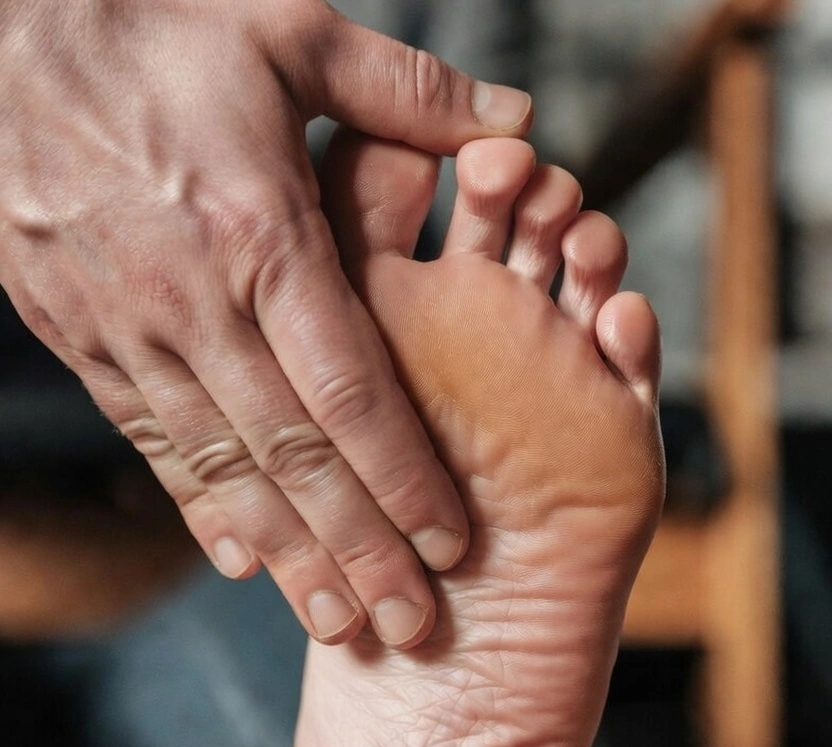
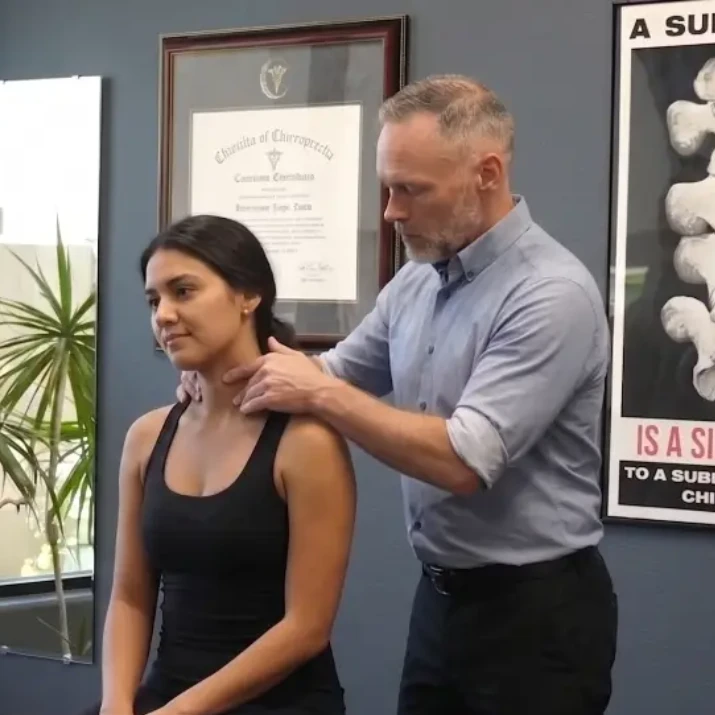
Foot pain can significantly limit mobility and interfere with daily activities. For many residents of Moon Valley North Phoenix Arizona and the surrounding 85022 community, ongoing foot discomfort makes walking, standing, training, and recreation difficult. Whether caused by foot pronation, plantar fasciitis, or biomechanical imbalance, structural corrective chiropractic care at SpinalWorks Chiropractic focuses on correcting the mechanical causes of dysfunction rather than simply masking symptoms.
Care begins with a comprehensive one on one evaluation to assess foot alignment, ankle mobility, knee tracking, hip balance, and spinal stability. Repetitive walking along the Bell Road corridor, daily commuting down 7th Street, or recreational activity at Deer Valley Park can increase load on the plantar fascia when alignment is compromised.
Understanding Foot Mechanics and Pronation in North Phoenix Arizona
Foot pronation refers to the way the foot rolls inward during walking or running. While some pronation is normal, excessive or insufficient pronation can place abnormal stress on the feet and entire kinetic chain.
Overpronation involves excessive inward rolling that flattens the arch and may contribute to plantar fasciitis, shin splints, knee pain, and hip misalignment.
Underpronation, also called supination, shifts weight to the outer edge of the foot and increases the risk of ankle instability, Achilles tendon irritation, and stress related injuries.
Residents throughout Moon Valley North Phoenix who hike at Lookout Mountain Preserve or train at Lifetime Fitness often experience increased foot strain when structural alignment shifts at the pelvis or lumbar spine.
What Is Plantar Fasciitis?
Plantar fasciitis is one of the most common causes of heel pain. It occurs when the plantar fascia, the thick band of connective tissue connecting the heel to the toes, becomes irritated or inflamed.
Common contributing factors include:
- Repetitive strain from walking, running, or prolonged standing
- Overpronation or under pronation
- Weak intrinsic foot or calf musculature
- Improper footwear with inadequate arch support
- Tight Achilles tendon or calf muscles
When left uncorrected, altered foot mechanics can influence knee, hip, and lumbar alignment.
Signs and Symptoms of Foot Pain in 85022
- Heel or arch pain, especially with the first steps in the morning
- Foot stiffness after rest or activity
- Swelling or inflammation along the bottom of the foot
- Difficulty walking or bearing weight
- Knee, hip, or low back pain caused by poor foot mechanics
Foot pain frequently represents a structural chain issue rather than an isolated condition.
Structural Corrective Chiropractic Care for Foot Pain
Chiropractic care at SpinalWorks Chiropractic in Moon Valley North Phoenix Arizona evaluates how the feet, ankles, knees, hips, and spine function together under load. Chiropractic Physician Dr. Steve Van Laecken brings extensive clinical experience to lower extremity biomechanics and gait analysis.
Treatment may include:
- Targeted chiropractic adjustments to restore ankle, knee, hip, and spinal joint motion
- Postural and biomechanical correction to reduce strain on the feet
- Advanced imaging when appropriate to assess joint stability
- Soft tissue therapies to support plantar fascia and calf recovery
- Functional movement training to improve strength and flexibility
Addressing alignment throughout the lower kinetic chain helps reduce stress at the plantar fascia and arch.
Multiple Site Nerve Involvement and Foot Pain
Foot pain often involves more than the foot itself. Nerve irritation at the lumbar spine, sacroiliac joint, hip, or knee can contribute to chronic pain, weakness, or instability. Structural corrective care addresses all contributing mechanical factors to promote long term relief.
As a structural corrective specialist serving 85022, Dr. Steve Van Laecken, D.C evaluates the entire alignment chain rather than focusing solely on the symptomatic area.
Why Early Foot Care Matters
Ignoring foot pain can lead to compensation patterns that affect the knees, hips, and spine. Early structural correction helps restore proper gait mechanics, prevent progression, and protect long term joint health.