
Conditions We Treat
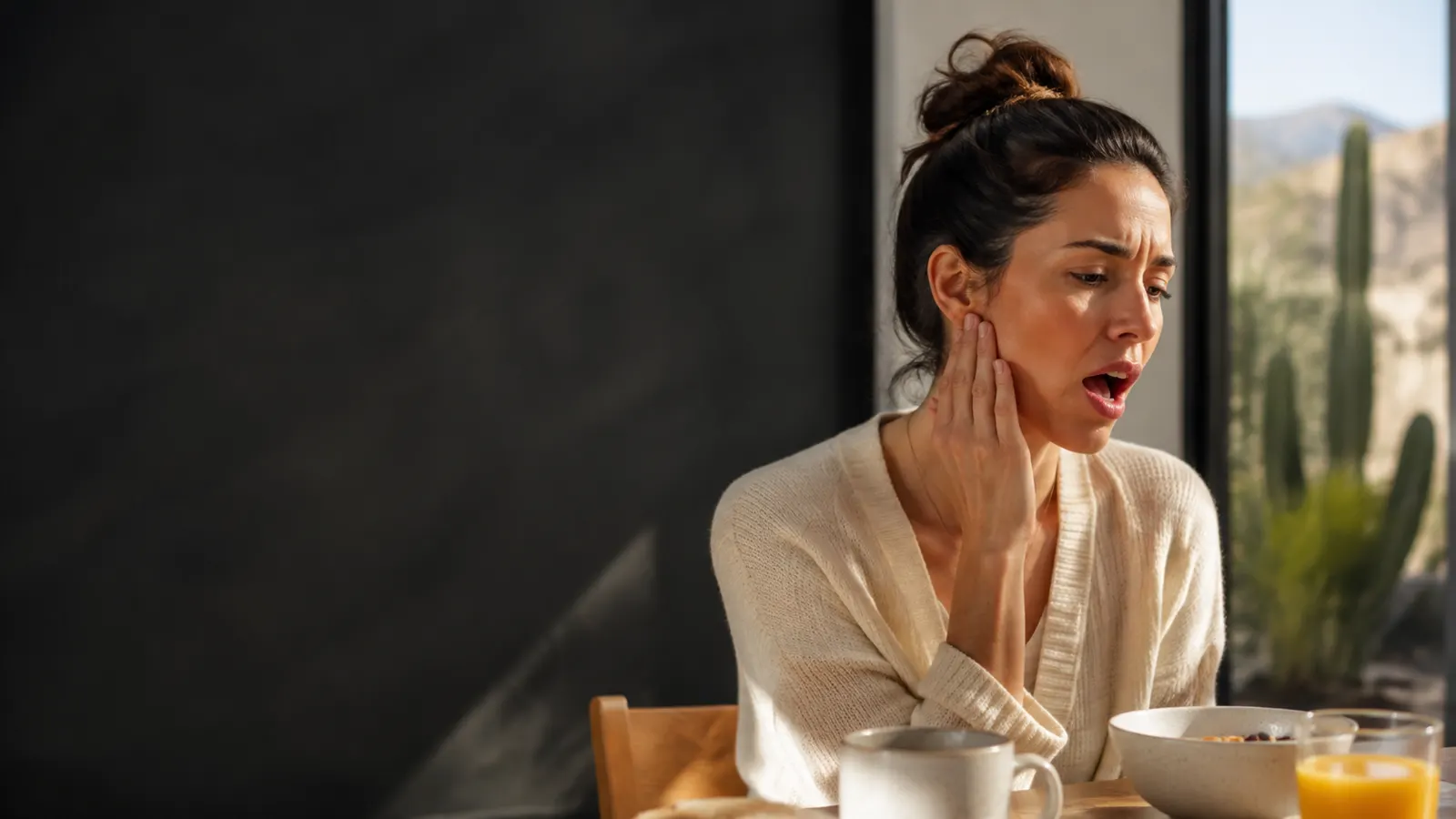
TMJ Pain Treatment in North Phoenix
Jaw pain, clicking, and tension headaches often trace back to how the jaw joint and the neck work together. At SpinalWorks Chiropractic in Moon Valley, we treat the temporomandibular joint as part of the whole structure, because it is.
Understanding TMJ Pain
What drives jaw dysfunction
The temporomandibular joint moves thousands of times a day: speaking, chewing, swallowing. Small imbalances add up quickly.
Joint misalignment
When the jaw tracks unevenly, the disc inside the joint can click, pop, or catch, and chewing becomes uncomfortable or asymmetrical.
Neck posture
Forward head posture changes the resting position of the jaw and strains the muscles it shares with the neck. Many TMJ cases are neck cases in disguise.
Muscle tension and clenching
Stress-related clenching and grinding overload the jaw muscles, producing facial pain, ear-area discomfort, and morning headaches.
How structural care helps TMJ pain
Dr. Steve Van Laecken DC evaluates jaw mechanics, cervical alignment, and posture together, because the jaw never works alone. The muscles that move it anchor into the head and neck, and upper cervical misalignment routinely feeds jaw tension.
Care may include gentle, specific adjustments to the jaw and upper cervical spine, targeted work to release overactive jaw and neck musculature, and postural exercises that correct the forward head position keeping the joint under strain. Where clenching is a factor, practical habit and ergonomic guidance rounds out the plan; corrective care addresses the underlying cervical structure.
What patients notice
As jaw tracking and neck alignment improve, patients commonly report less clicking and popping, easier chewing, reduced facial tension, and fewer tension headaches. Persistent locking, severe bite changes, or dental pathology are referred to the appropriate dental or medical specialist, often for co-managed care. Results vary from person to person.
Keep Exploring
Related care and next steps
Chiropractic Adjustments
Gentle, specific correction for the jaw and upper cervical spine.
Explore this servicePosture Rehab Exercises
Correct the forward head posture that strains the jaw.
Explore this serviceCorrective Care
Address the cervical alignment underneath chronic jaw tension.
Explore this servicePopping and Clicking Jaw
What jaw noises mean and when they deserve attention.
Read the symptom guideConstant Headaches Behind the Eyes
TMJ dysfunction and headaches frequently share one source.
Read the symptom guide$79 New Patient Special
Full consultation, examination, X-rays if necessary, and your first adjustment.
See the specialBook an Appointment
Choose a time that works for you. Mornings and afternoons available.
Book nowCommon Questions
TMJ questions, answered
Can a chiropractor treat TMJ pain?
Yes. The jaw joint is a musculoskeletal joint, and its function is tightly linked to neck alignment and posture. Gentle jaw and upper cervical adjustments, muscle work, and postural correction can relieve the strain driving many TMJ symptoms. Dental causes are referred to your dentist.
Why does my jaw click or pop?
Clicking usually means the small disc inside the joint is tracking unevenly as you open and close. Occasional painless clicking is common; clicking with pain, catching, or locking suggests the joint mechanics need correction and is worth evaluating.
Are my headaches related to my jaw?
They can be. The jaw and neck share muscles and nerve pathways, so clenching and TMJ strain commonly produce temple, ear-area, and tension headaches. Treating the jaw and cervical spine together often reduces both the jaw pain and the headaches.
What does TMJ treatment involve at SpinalWorks?
An evaluation of jaw tracking, bite mechanics, cervical alignment, and posture, followed by gentle jaw and neck adjustments, muscle release, and corrective exercises. Care is coordinated with your dentist when appliances or dental treatment are also involved.
Will I need to stop chewing gum or change habits?
Often, temporarily. Habits such as gum chewing, nail biting, and one-sided chewing keep the joint irritated while it heals. Dr. Steve DC gives simple, practical habit guidance alongside care so your progress holds. Results vary by individual.
Begin Your Path to Relief
Your first visit starts here
Full consultation, examination, X-rays if necessary, and your first adjustment: $79 for new patients. Serving Moon Valley and North Phoenix with care, integrity, and heart.